2026-04-13
Umbrele de soare de plaja cad in șase tipuri principale : umbrele clasice de stâlp, umbrele de soare cantilever (offset), umbrele de piață, umbrele de cort/cabana de plajă, umbrele basculante și mini umbrele de soare personale. Fiecare este proiectat pentru o combinație diferită de portabilitate, acoperire la umbră, rezistență la vânt și ușurință de configurare. A ști ce tip se potrivește nevoilor tale economisește bani și previne frustrarea pe nisip.
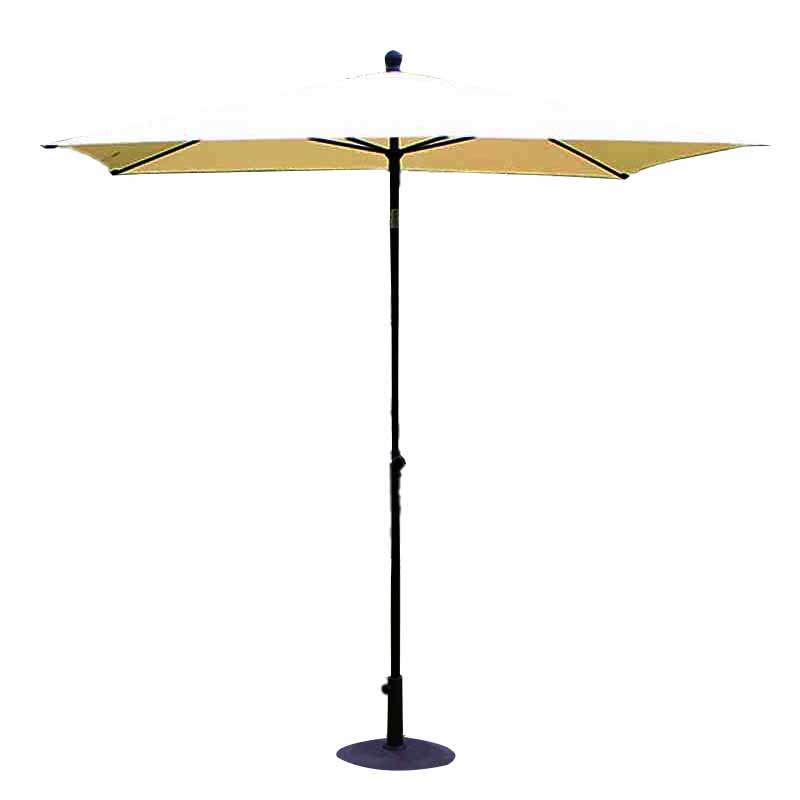
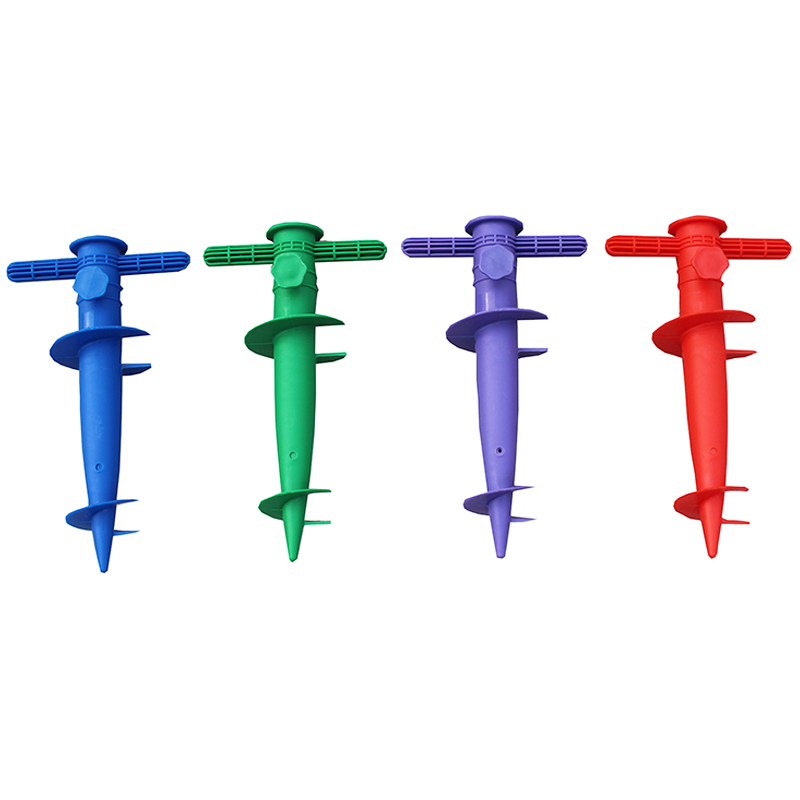
Umbrela clasică cu stâlp este cea mai folosită umbrelă de soare de plajă la nivel mondial. Este alcătuit dintr-un singur pol central - de obicei 6 până la 8 picioare înălțime — cu un baldachin întins peste un cadru nervurat. Stâlpul este împins sau înșurubat direct în nisip folosind un vârf ascuțit sau o ancoră de nisip.
Diametrele baldachinului variază de obicei de la 6 până la 9 picioare , oferind suficientă umbră pentru una până la trei persoane. Stâlpii din aluminiu sunt mai ușori (în jur de 3-5 lbs), în timp ce stâlpii din fibră de sticlă sunt mai flexibili și mai buni în condiții de rafale. Acest tip este cel mai accesibil, cu opțiuni de calitate disponibile între 25 USD și 80 USD.
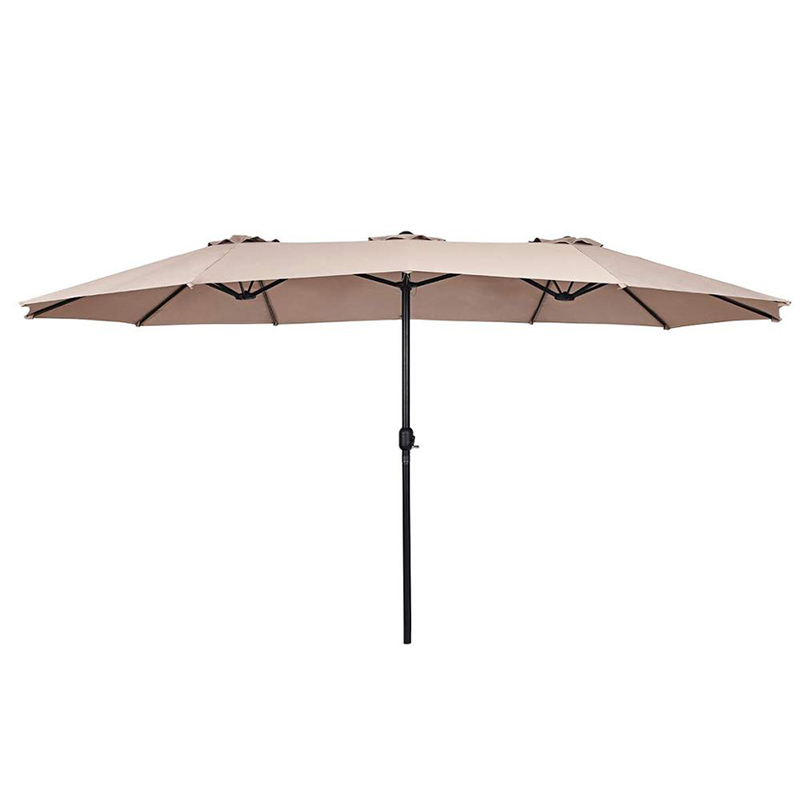
O umbrelă de soare cantilever folosește un stâlp montat lateral sau decalat, astfel încât baldachinul atârnă peste zona de relaxare cu niciun stâlp central care să obstrucționeze spațiul de dedesubt . Pe plajă, acestea sunt de obicei montate pe o bază grea sau pe un țăruș îngropat, cu un braț lateral care se extinde de 6 până la 10 picioare peste zona umbrită.
Sunt mai grele și mai scumpe decât modelele clasice - umbrelele de soare cantilever de calitate rulează 150 $ până la 500 $ — dar permit rotirea la 360° și înclinarea completă a baldachinului, permițându-vă să urmăriți soarele pe tot parcursul zilei fără să vă repoziționați aranjamentul scaunelor.
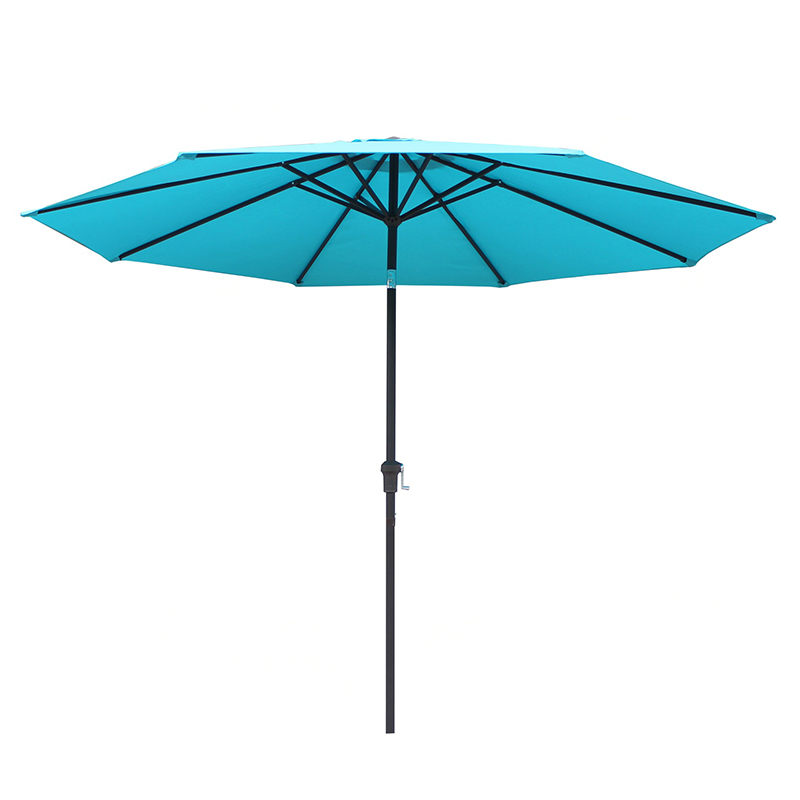
Umbrelele basculante sunt o actualizare populară față de modelele de stâlp de bază. Acestea prezintă a buton sau balama acţionată cu manivelă parțial în sus pe stâlp care permite copertinei să se încline până la 30–45 de grade. Acest lucru vă permite să blocați soarele scăzut de dimineață sau după-amiază, fără a fi nevoie să mutați întreaga umbrelă.
Majoritatea umbrelelor basculante au baldachin între ele 6,5 și 8,5 picioare în diametru și au prețuri între 40 și 130 USD. Mecanismul de înclinare adaugă greutate minimă - de obicei mai puțin de jumătate de kilogram - făcându-l un pas practic față de o umbrelă clasică cu stâlp cu unghi fix.
Umbrelele de piață sunt verișoarele mai mari și mai structurate ale umbrelelor clasice cu stâlp. Proiectate inițial pentru mese în aer liber și piețe, sunt din ce în ce mai folosite pe plaje și pe punți de plajă. Acestea sunt de obicei prezentate 8 până la 11 coaste în loc de standardul 6–8, diametrele baldachinului de 9 până la 11 picioare , și o estetică mai rafinată cu margini de țesătură festonate sau în dungi.
Din cauza dimensiunii și greutății lor (deseori 15-25 lbs ), umbrelele de piață sunt mai potrivite pentru configurațiile de plajă semi-permanente cu o bază ponderată sau o ancoră adâncă de nisip, mai degrabă decât vizitele ocazionale pe plajă.
Corturile de plajă și umbrelele în stil cabană estompează linia dintre o umbrelă de soare tradițională și un adăpost. Ele prezintă trei sau patru pereți de țesătură (unele cu fețe deschise, altele cu fermoar), oferind umbră împotriva soarelui deasupra capului, precum și protecție împotriva vântului, a nisipului și a razelor UV laterale.
Majoritatea sunt evaluate UPF 50 , făcându-le cea mai bună alegere pentru pielea sensibilă la soare sau copiii mici. Dimensiunile variază de la păstăi compacte pentru 1 persoană, care cântăresc doar 2-3 lbs la acoperirea cabanelor de familie mari 8 × 8 picioare sau mai multe. Mărci precum Neso, Pacific Breeze și Sport-Brella sunt printre cele mai recunoscute din această categorie.
Mini umbrelele de soare personale sunt umbrele de soare compacte, de mână sau montate pe țăruși, concepute pentru o singură persoană. Diametrele baldachinului sunt de obicei 3 până la 5 picioare , și cântăresc la fel de puțin 1 până la 2 lbs . Unele modele sunt concepute pentru a fi ținute ca o umbrelă de soare tradițională, în timp ce altele vin cu o țeapă flexibilă care se fixează în nisip și poate fi înclinată peste un singur șezlong.
Produse precum umbrela de plajă personală EasyGo sau umbrela de fixare Shadybrew se potrivesc în această nișă. Prețurile sunt de obicei între 15 $ și 45 $ , ceea ce face ca aceasta să fie cea mai accesibilă categorie.
| Tip | Dimensiunea baldachinului | Greutate | Gama de prețuri | Cel mai bun caz de utilizare |
|---|---|---|---|---|
| Pol Clasic | 6–9 ft | 3-5 lbs | 25 USD – 80 USD | Solo sau cuplu, condiții calme |
| Cantilever/Offset | 9–13 ft | 20-40 lbs | 150 USD – 500 USD | Grupuri, configurații permanente |
| Înclinare | 6,5–8,5 ft | 4-7 lbs | 40 USD – 130 USD | Vizite de o zi întreagă, urmărire solară |
| Piata | 9–11 ft | 15-25 lbs | 80 USD – 250 USD | Stațiuni, baruri pe plajă, grupuri mari |
| Cort/Cabana de plajă | Variază (până la 8×8 ft) | 2-8 lbs | 35 USD – 150 USD | Familii, plaje cu vant, protectie UV |
| Mini Personal | 3-5 ft | 1-2 lbs | 15 USD – 45 USD | Călători solo, lectură, utilizare compactă |
Majoritatea copertinelor de umbrelă de plajă sunt fabricate din poliester, nailon sau țesătură olefină. Caută o Evaluare UPF 50 , care blochează peste 98% din razele UV. Culorile mai închise și țesăturile mai dense oferă în general o protecție UV mai mare. Evitați copertinele subțiri sau decolorate - o umbrelă albită poate să-și fi pierdut cea mai mare parte din capacitatea de blocare a UV.
Stalpii din aluminiu sunt ușori și rezistenți la rugină, făcându-i ideali pentru utilizarea frecventă pe plajă. Stâlpii din fibră de sticlă sunt puțin mai grei, dar se flexează în loc să se rupă în rafale de vânt - un avantaj semnificativ în condițiile de coastă expuse. Stalpii de oțel sunt cei mai grei și mai predispuși la coroziune în mediile cu apă sărată.
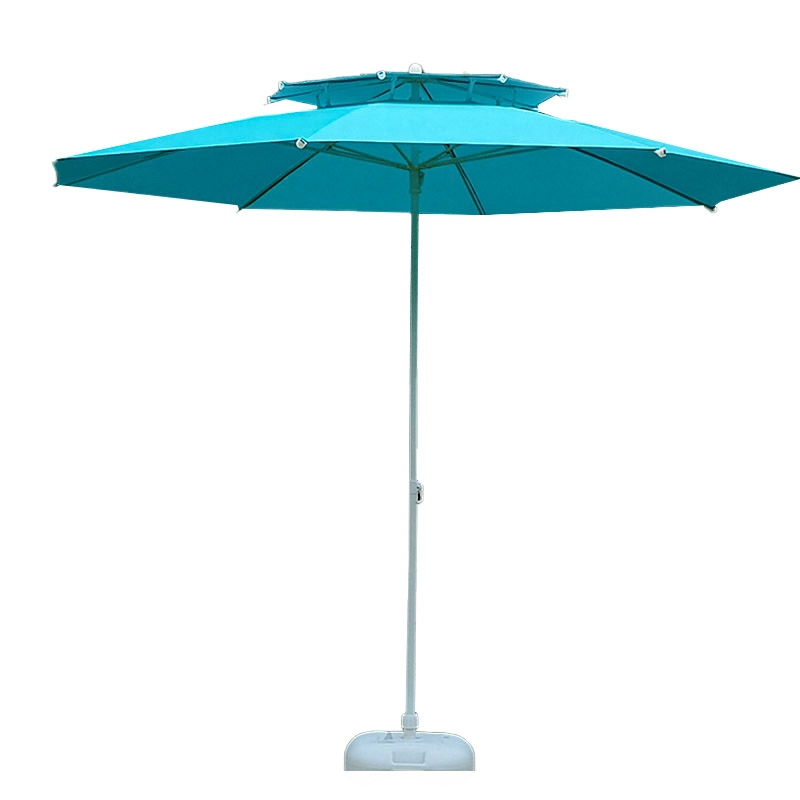
Umbrelele de plajă standard încep să devină instabile la vânturile de deasupra 15–20 mph . Copertinele ventilate – care au un strat superior cu dublu strat cu un spațiu deschis care permite trecerea vântului – îmbunătățesc semnificativ stabilitatea în condiții de vânt. Corturile și cabanele de plajă cu ancore cu buzunare de nisip gestionează cel mai bine vântul în general.
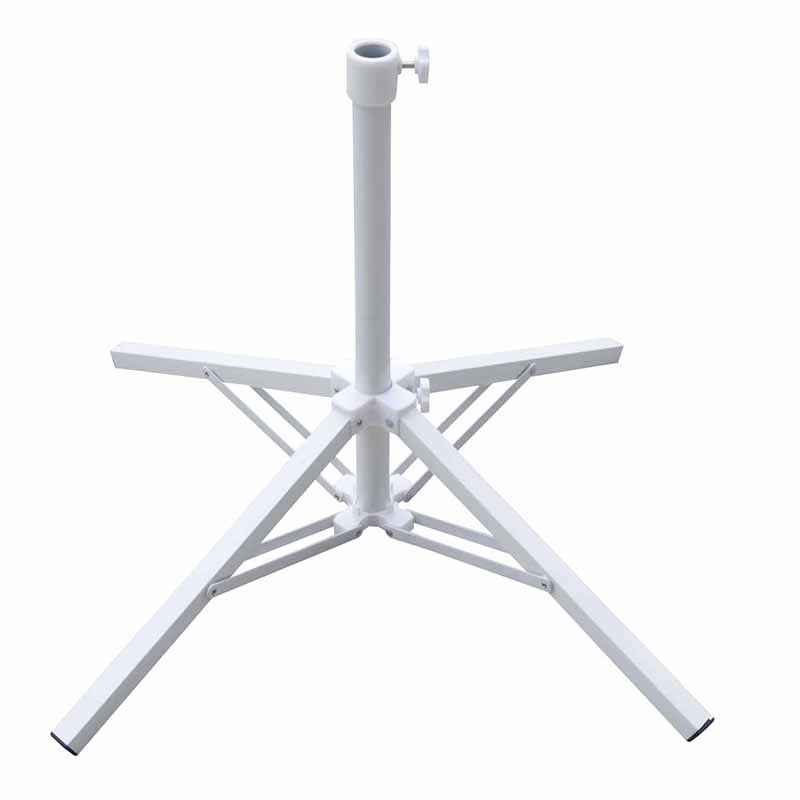
Umbrelele clasice și basculante se bazează pe inserarea directă a nisipului printr-un vârf ascuțit, uneori completat de o ancoră de nisip de tip șurub. Consolă și umbrele de piață necesită o bază ponderată sau o placă îngropată. Corturile de plajă se împușcă în nisip folosind cuie sau buzunare de nisip umplute cu 20-30 lbs de nisip fiecare.
Alegerea corectă depinde de trei factori practici: dimensiunea grupului, nevoile de portabilitate și condițiile tipice ale vântului la destinația dvs. de plajă.
Indiferent de tip, ancorați întotdeauna umbrela de soare în siguranță. Umbrelele de plajă neasigurate devin proiectile periculoase în vânt — a Umbrela de 6 lb poate atinge viteze de 50 mph dacă este lansat de o rafală, prezentând un risc real de rănire pentru alți vizitatori de plajă.
Produse conexe
Fii primul care știe
+86 13357500282
Orașul Songxia, districtul Shangyu, orașul Shaoxing, provincia Zhejiang, China
Fabrica de parasoli din China Şi Producători de umbrele de grădină cu ridicata